
A GolfLab Technical Guide to Improve Your Performance
GolfLab’s guide to choosing the right club for your skill level. Understand forgiveness, MOI, shafts, and design to improve consistency and control.
Why the Right Club Accelerates Your Progress
The golf club you choose directly affects your ability to generate speed, control ball flight, and maintain consistent dispersion. At GolfLab, every club is evaluated through its design, forgiveness, MOI, and biomechanical impact on the swing. This guide helps you identify which type of club best matches your current skill level and long‑term improvement goals.
Beginners: Clubs Designed for Maximum Forgiveness and Impact Stability
At this stage, the swing is not yet consistent. Players need clubs that expand the sweet spot, stabilize the clubface, and reduce distance loss on off‑center hits.
Recommended characteristics
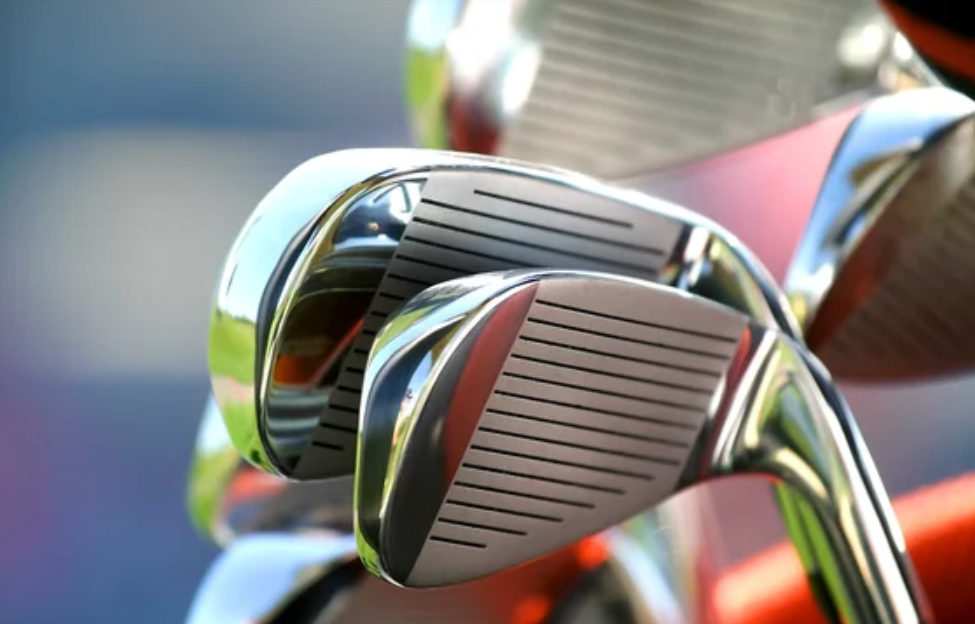
- Cavity back irons — Perimeter weighting increases forgiveness.
- Drivers with higher loft (10.5°–12°) — Promote a higher, straighter ball flight.
- Graphite shafts in Regular or Senior flex — Lighter and easier to accelerate.
- Hybrids instead of long irons — Better impact stability and more consistent contact.
Why it works
Beginner golfers benefit from clubs that reduce the penalty of natural swing errors, allowing them to focus on building a stable and repeatable motion.
Intermediate Players: A Balance of Control, Forgiveness, and Feedback
Once the swing becomes more stable, players begin working on trajectory, distance control, and shaping shots. Clubs at this level must balance sensitivity with stability.
Recommended characteristics
- Game improvement irons — More compact, yet still offering solid forgiveness.
- Adjustable drivers — Fine‑tune loft, weight, and face angle to optimize ball flight.
- Graphite or lightweight steel shafts — Depends on swing speed.
- Wedges with varied bounce options — Adaptability for different lies and shot types.
Why it works
Intermediate golfers need equipment that responds to their intentions without demanding perfect precision, supporting steady technical progress.
Advanced Players: Maximum Control, Direct Feedback, and Precision
At this level, players seek exact feedback from the club. Every shot has a technical and strategic purpose.
Recommended characteristics
- Blade or muscle back irons — Maximum precision and direct feedback.
- Stiff or X‑Stiff steel shafts — Stability for higher swing speeds.
- Custom‑configured drivers — Optimized for the player’s natural ball flight.
- Wedges with specific grinds — Tailored to technique and course conditions.
Why it works
Advanced golfers prioritize control and feel, willingly sacrificing forgiveness to gain more precise information from the strike.
Key Factors GolfLab Evaluates in a Professional Fitting
- Swing speed: Determines shaft type and flex.
- Angle of attack: Influences ideal loft and the choice between long irons or hybrids.
- Ball flight tendencies: Slice, hook, height, spin, and dispersion.
- Club length and lie angle: Essential to avoid compensations in the swing.
- Player goals: Distance, control, consistency, or a combination.
Quick Comparison by Skill Level
| Skill Level | Iron Type | Recommended Shaft | Ideal Driver | Useful Add‑Ons |
|---|---|---|---|---|
| Beginner | Cavity back | Graphite – Regular/Senior | Higher loft | Hybrids |
| Intermediate | Game improvement | Graphite or lightweight steel | Adjustable | Varied wedges |
| Advanced | Blade / Muscle back | Steel – Stiff/X‑Stiff | Custom configured | Specific grinds |
Final Thoughts: The Right Club Accelerates Your Technical Evolution
The ideal club isn’t the most expensive or the most popular—it’s the one that matches your current swing and supports your future development. A professional fitting helps identify the design, forgiveness, MOI, and configuration that will help you improve more efficiently with tighter dispersion.