

The Key Detail Most People Overlook That Can Damage the Battery
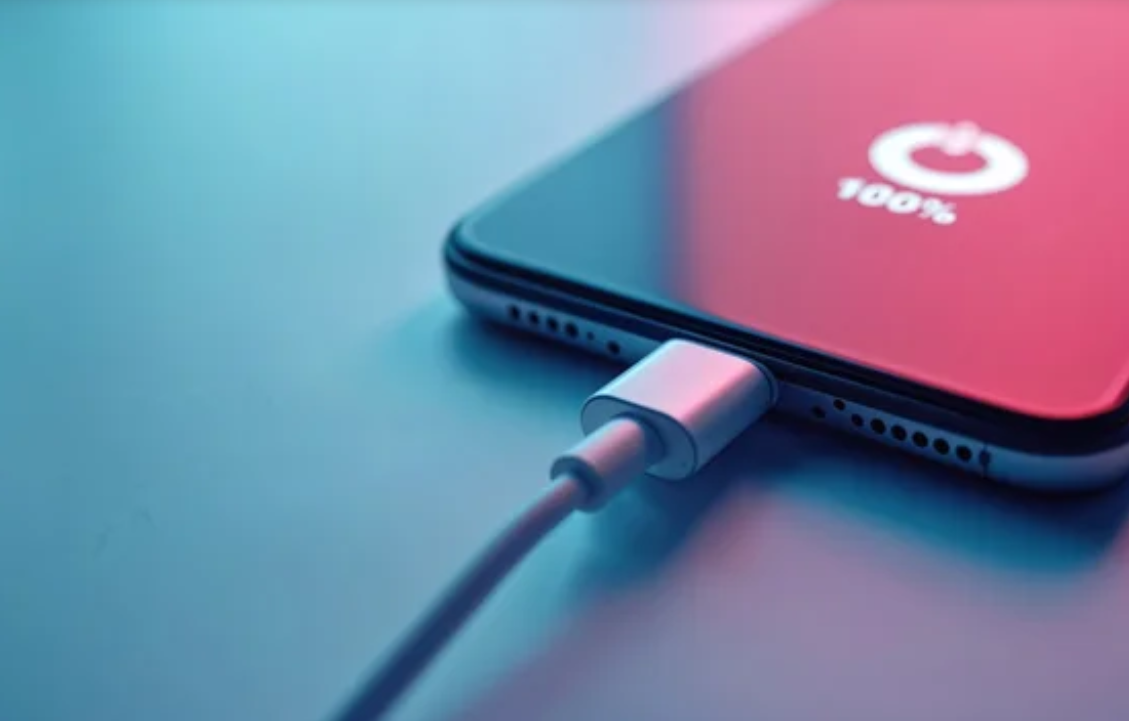
Leaving your phone plugged in while you sleep is almost universal. It’s convenient, practical, and ensures you wake up with a full battery. However, this habit has a real impact on your device’s lifespan—especially on one critical component: the lithium‑ion battery.
Even though modern phones include protection systems, there’s one detail many users ignore, and over time, it can cause the battery to deteriorate faster than expected.
🔋 How Your Smartphone Battery Actually Works
Today’s batteries are efficient, but they’re also sensitive to two main factors:
- Heat
- Unnecessary charging cycles
When your phone reaches 100% and stays plugged in, it enters a “charge–discharge–recharge” loop to maintain that level. This process generates heat and chemical stress—two direct enemies of battery health.
⚠️ The Key Detail: Heat Buildup During the Night
The biggest issue isn’t being at 100%, but the heat that accumulates while the device remains plugged in for hours.
This heat can come from:
- Thick cases that trap temperature
- Fast chargers used throughout the night
- Placing the phone under a pillow or on surfaces that retain heat
- Warm or poorly ventilated environments
Even if the phone’s smart charging system stops the flow of energy at 100%, the residual heat still affects the battery’s internal chemistry.
📉 Long-Term Effects on Your Battery
Over time, these factors can lead to:
- Reduced capacity — the battery lasts fewer hours.
- Faster degradation — the “battery health” percentage drops more quickly.
- Unstable performance — sudden shutdowns or rapid percentage drops.
- Greater dependence on fast charging, which accelerates wear even more.
🛡️ Healthier Ways to Charge Your Phone
You don’t need to stop charging overnight forever—just do it more intelligently:
- Enable optimized charging (available on iPhone, Samsung, Xiaomi, and others).
- Avoid thick cases while charging overnight.
- Use certified chargers and slower charging bricks at night.
- Keep the phone on a ventilated surface.
- Charge between 20% and 80% when possible to reduce chemical stress.
These habits can extend your battery’s lifespan by months or even years.
🧭 So… Is It Bad to Charge Your Phone Overnight?
It’s not “dangerous,” but it does accelerate battery degradation, especially if the device heats up more than usual.
The key is managing temperature and avoiding unnecessary charging cycles.
For most people, charging overnight will remain the most practical option. But with a few small adjustments, you can keep that convenience without sacrificing your battery’s long-term health.